Egyptian Arabic
The most widely understood spoken Arabic in the world, and the one a child hears in almost any Arabic cartoon.
Where it is spoken
Egyptian Arabic, called masri by its speakers, is the daily language of about a hundred million people in Egypt. Most Arabs outside Egypt follow it easily, because Egyptian cinema, television and music have circulated across the Arab world since the 1930s. If you have no family tie to a particular region and want one spoken dialect, this one travels furthest.
How it differs
The letter jim is pronounced as a hard g, so the standard jamal becomes gamal. The letter qaf usually becomes a glottal stop, turning qalb into alb. Present-tense verbs take a bi- prefix that Fusha does not use. Question words come at the end of the sentence, so where are you going comes out as rayeh fen.
Words you can hear
Each of these is recorded by a native speaker of this dialect. Tap any card to hear it.
A note on the written forms below. Spoken dialects are rarely written down, so most words appear in their standard spelling. Where this dialect has its own written form, it is marked.
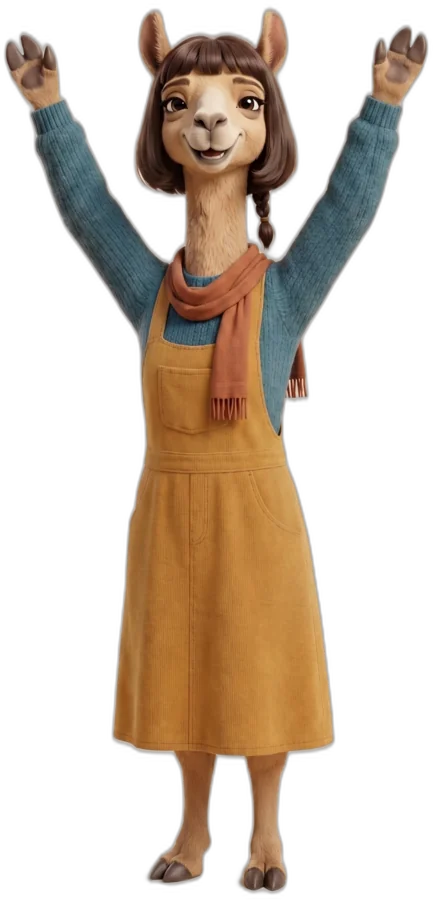
Children in Egyptian households hear masri years before they meet Fusha at school. Starting a child with the dialect spoken at home gives them words they can use the same afternoon, with grandparents, at the table, on a video call. Egyptian also carries most of the Arabic children's television made in the last fifty years, so a child who learns it can watch as well as talk.
Who should learn it
Anyone with Egyptian family, anyone who wants the widest reach from a single dialect, and anyone who plans to watch Arabic film or television. Egyptian has more learning material than any other spoken variety. That helps once you get past the first hundred words.
Dialects
Hear all seven dialects
PopPond records the same words in Lebanese, Egyptian, Syrian, Palestinian, Moroccan, Algerian and Fus-ha.